
The European Week of Regions and Cities (#EURegionsWeek / #EWCR2025) once again brought together regional and local actors, VET providers, and EU networks to exchange ideas and share solutions to Europe’s evolving social and labour challenges. EfVET actively participated in two days of sessions that reflected its commitment to advancing skills development, inclusion, and equality through vocational education and training (VET).
Skills for a Competitive Europe: Cities Leading the Union of Skills
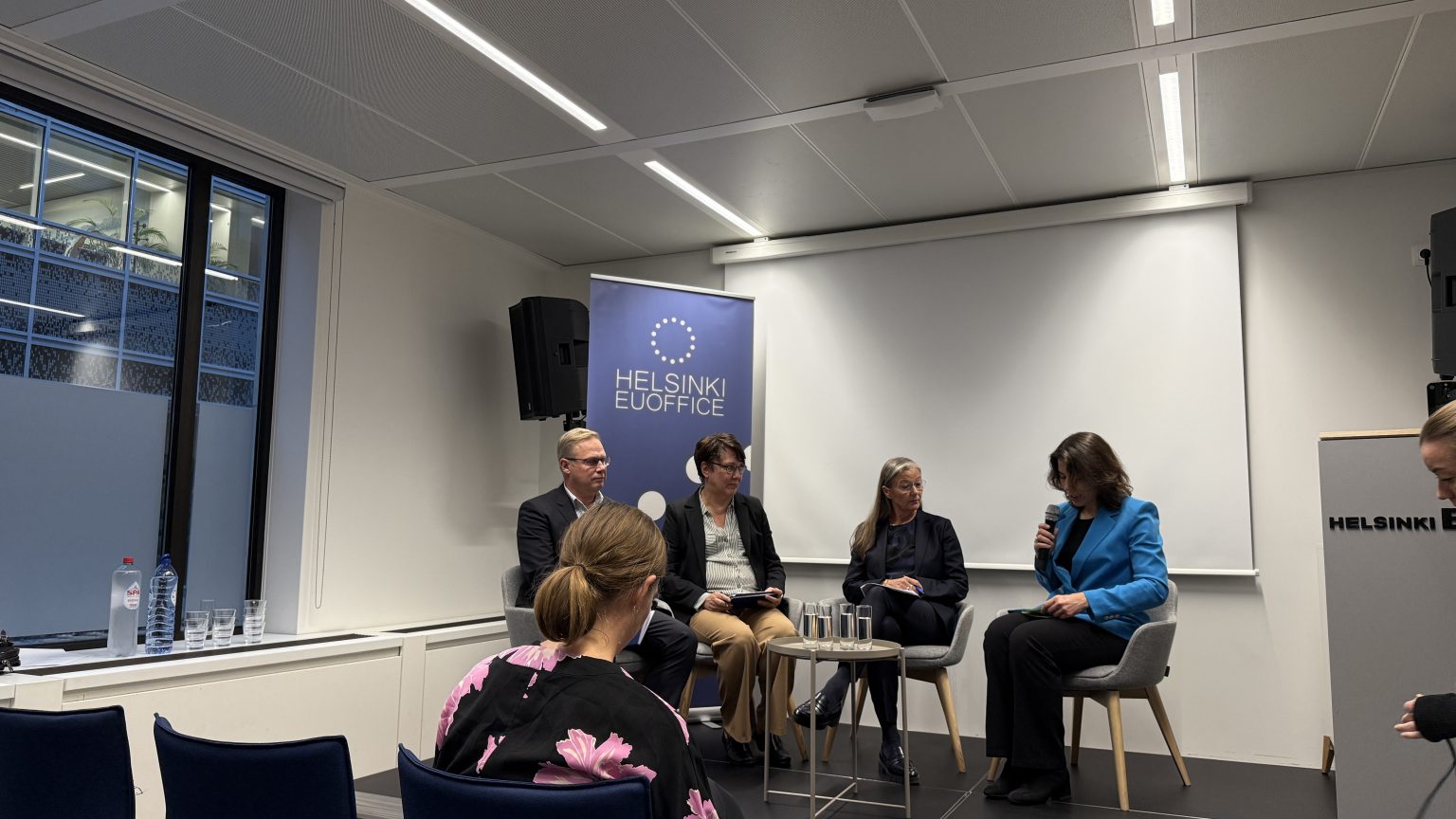
Hosted by the EU Helsinki Office, this high-level event explored how cities are shaping the European Skills Agenda to tackle persistent labour market mismatches and unemployment challenges.
Opening the event, Daniel Sazonov, Mayor of Helsinki, emphasised cities’ role in investing in lifelong learning and integrated employment services to ensure “no talent is left behind”.
MEP Li Andersson, Chair of the European Parliament’s Committee on Employment and Social Affairs, underlined the importance of quality vocational education providers as the cornerstone of lifelong learning and labour adaptability.
EfVET was represented by Sylvia Liuti (EfVET Vice-President, National Representative and Gender Equality Expert), who joined the panel on Promoting Excellence in Technical and Vocational Education across Europe. Liuti highlighted the importance of modular training offers and micro-credentials in recognising small but meaningful learning achievements, reinforcing that “VET providers should have a seat at the Union of Skills governance table.”
Her intervention was complemented by Larisa Panait (Eurochambres), who discussed how skills shortages impact SMEs, underscoring the need for close cooperation between business communities and education providers.
The event concluded with reflections from Nathalie Guri (Eurocities), calling for stronger collaboration between local authorities, education providers and the private sector to foster inclusive and competitive regional skills ecosystems.
Inclusive Regions, Safer Spaces: Local and Regional Approaches to Gender Equality, Well-being and Digital Safety in Education
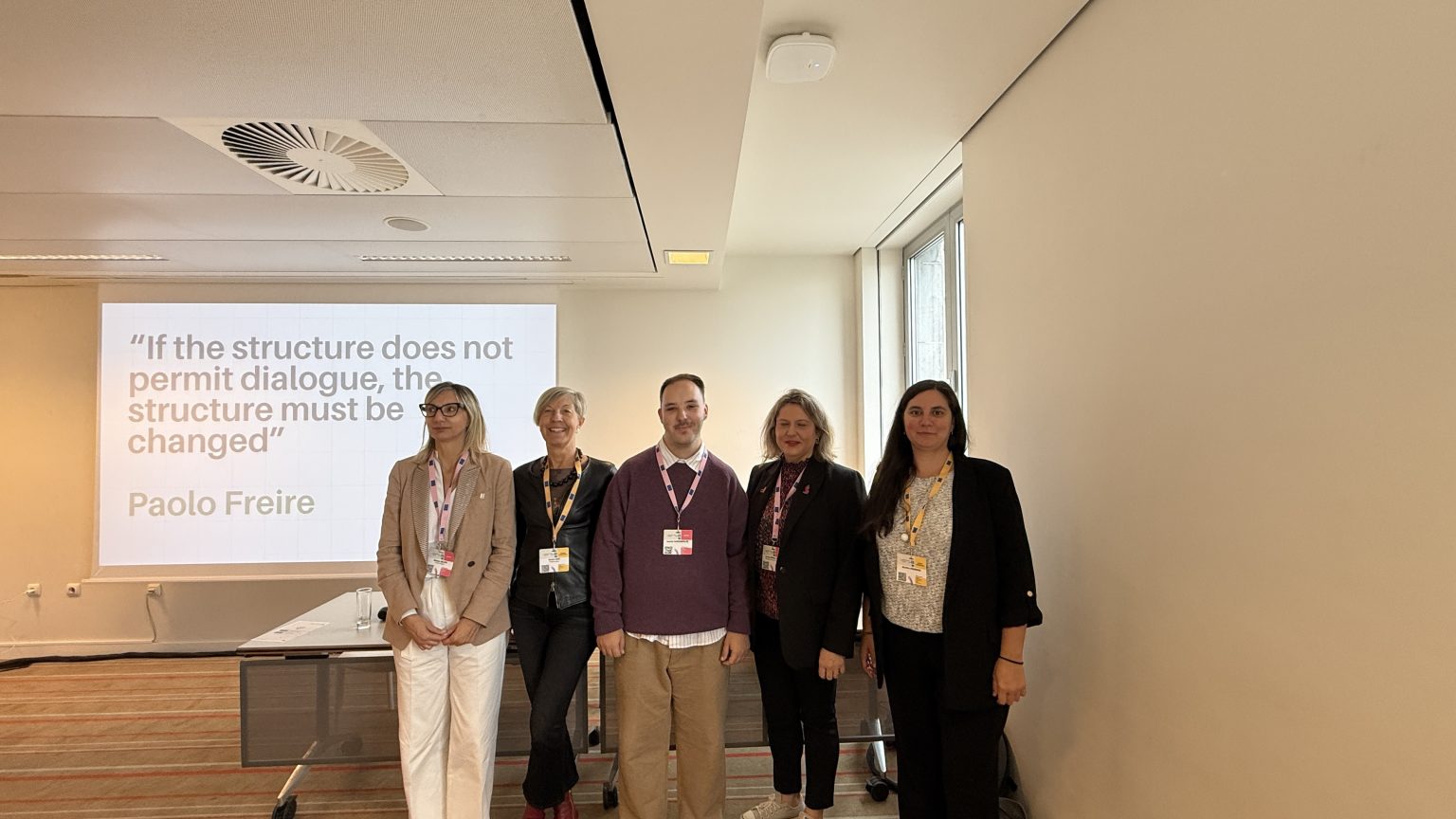
On the second day, EfVET partnered with FORMA.Azione, EAEA, and EARLALL to co-organise a session addressing the intersections of gender equality, digital safety and well-being in education.
Moderated by Sylvia Liuti (FORMA.Azione), the session showcased local best practices from Umbria and Catalonia, highlighting how regional cooperation can build safer and more inclusive learning environments.
Simona Meloni, Gender Equality Councillor of Umbria Region, discussed the socio-economic implications of declining birth rates and employment insecurity, stressing the need for integrated gender and employment policies.
From Catalonia, Lorena Ripoll Ferri presented EdT Women Days, a project by the region’s largest public VET provider to attract women to industrial and digital sectors — particularly in fields linked to Industry 4.0. The initiative fosters visibility and empowerment through social media campaigns, short films, and events connecting women teachers, students, companies and policymakers.
Finally, Ioannis Karoumpalos (DAFNI KEK / EAEA) led a reflective activity on how adult learning principles can help design gender-equal and safe learning spaces through dialogue, participation and awareness.
The session underlined that gender equality and well-being are not secondary goals, but drivers of competitiveness, professionalism and innovation — central to building resilient and inclusive regional learning ecosystems.